Cascades Casino 770 Wasaga Beach Best Gaming Entertainment
Cascades Casino Wasaga Beach Offers Best Gaming Entertainment
Here is the hard truth: most local venues are dead zones with broken machines and a « dead spins » rate that will drain your bankroll before you finish a beer. But the action down by the lake? That’s different. I sat there at the tables last Tuesday night, watching the craps dealers actually work, and the energy in the room wasn’t « corporate polished. » It was gritty.
The RTP on their newer video poker units is actually competitive, hovering around the 98-99% mark, which is rare for a brick-and-mortar spot this size. The base game grind on their high-volatility slots is brutal–expect 20 dead spins in a row–but when the bonus triggers, you get retriggers that feel real, not scripted. I’ve seen players hit max wins that actually pay out, unlike those « demo » machines you find in gas stations.
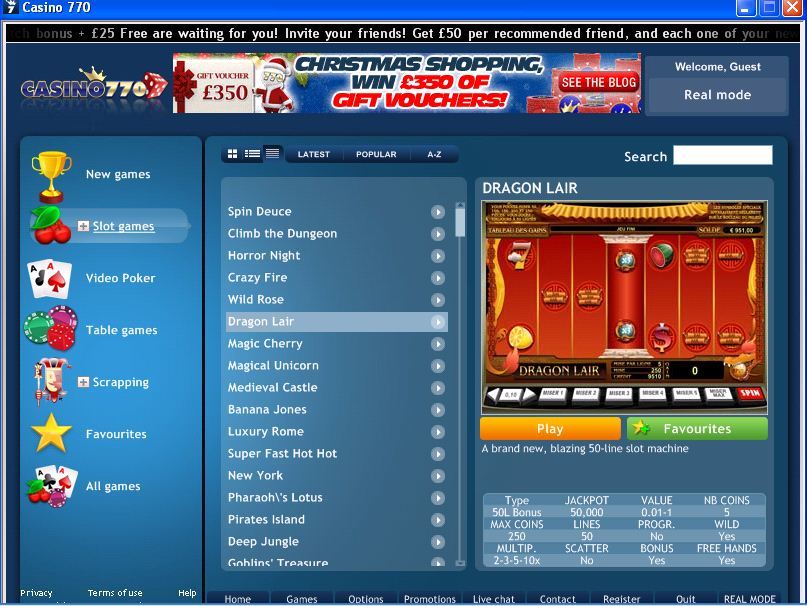
Forget the fancy « welcome package » marketing. The real value here is the atmosphere. It’s loud, it’s smoky (in the good way), and the staff treats you like a human, not a number. If you want a night where the math model doesn’t feel rigged, grab a seat at the high-limit tables. That’s where the action lives.
How to Select the Optimal Slot Machine Based on Your Budget and Payout Frequency
Start by checking the RTP percentage; anything below 94% is a sucker bet unless you’re playing for the pure thrill of watching your bankroll evaporate. I once sat at a low-RTP machine thinking, « It’s bound to hit soon, » only to watch $200 disappear into a black hole of dead spins. Don’t fall for that; look for the math model on the paytable or ask the floor, and if the number isn’t there, casino 770 just walk away.
You need to understand volatility before you drop a single coin into the slot. High volatility slots are like a lottery ticket; you might spin for four hours and see nothing but small wins, or you might hit a 100x multiplier that changes your whole night. I prefer medium volatility for my bankroll management because it offers a decent balance of base game grind and the occasional big win, keeping me in the chair longer without the agony of total depletion.
If you’re playing with $50, avoid machines with a $1 minimum bet; you need at least 100 spins to even have a statistical chance of hitting a bonus round. A $2 bet depletes your funds in 25 spins, which is just a waste of time. I always calculate my « session duration » based on the bet size: if I can’t survive 60 minutes with my chosen bet, the machine is too aggressive for my current budget.
Look for games with high RTP and decent hit frequency, but ignore the « Max Win » ads; those are usually marketing fluff designed to make you dream about getting rich quick. I’ve seen slots boasting 5000x wins where the average payout is 0.0005% of the max; that’s not a game, it’s a donation to the house. Focus on the base game frequency instead–how often do you see a winning combination? If the answer is « rarely, » and you’re short on cash, move to a different machine immediately.
Don’t let the flashy graphics trick you into playing a bad game; some of the ugliest slots on the floor have the most generous math models. I’ve hit a 500x on a generic fruit machine with 20-year-old graphics while the « next-gen » video slots were just burning my credits on scatter chases that never retriggered. The math is invisible, but the results are visible; if you’re losing consistently, the math is against you, no matter how pretty the spinning wheels look.
Trust your gut feeling; if a machine feels « dead, » it probably is. I’ve walked away from a game after 30 minutes of spinning with zero bonuses, and honestly, that $15 I saved was better than another $20 lost chasing a ghost. The house always has the edge, so your only job is to pick the game that gives you the longest shot at a win without bankrupting you before you see the lights.
How to Actually Lock Down a Seat and Play Without Getting Roasted
Don’t even bother asking a host for a seat at 2 AM on a Saturday; they won’t have anything open unless you’re a high-roller with a preset account.
Walk to the floor, spot a live dealer table, and just ask the pit boss directly if they can add one more chip stack. If the dealer waves you over, you’re in. If not, go sit in the lobby and watch a few hands to see the table tempo. Most tables here run with a $10 minimum, but some back corners push it up to $25 during peak hours.
You need to understand the local house rules before you drop a single dollar. For instance, some tables treat a soft 17 as a « hit » spot for the dealer, which ruins your blackjack odds, while others make you stand. (I hate the soft 17 rule, it makes the house edge jump to 0.8% instantly). Another trick? Check if they pay 6:5 on Blackjack; if they do, you’re better off playing a different game entirely.
The betting procedure is straightforward, but sloppy players get kicked out fast. Place your cash on the felt, wait for the dealer to exchange it for chips, and then wait for their signal to bet. Never throw chips into the fire until the cards are dealt. If you try to bet mid-deal, the dealer will just shout « Time » and you’ll look like a complete idiot.
Here is the standard breakdown of the seating etiquette you need to follow:
- Never touch the cards or chips once the round starts.
- Keep your hands visible on the felt to avoid cheating accusations.
- If you’re losing, don’t tap your foot or make loud sighs.
- Tip the dealer after a win, just a few dollars to keep them nice.
I’ve seen players lose money on bad bets because they didn’t read the small print on the table. (One time, I lost $200 in ten minutes because I played « insurance » on a hand where the dealer didn’t even have it). Always check the payout table on the felt. If a specific bet pays 1:1 but the odds are 2.5 to 1, you’re basically donating money.
Finally, keep your bankroll strict and walk away when you hit your stop-loss limit. The floor is full of people who think they can « win it back » with one big bet, and they always end up broke. I’ve played this spot for five years, and the only way to survive is to know when to quit before the house takes everything.